


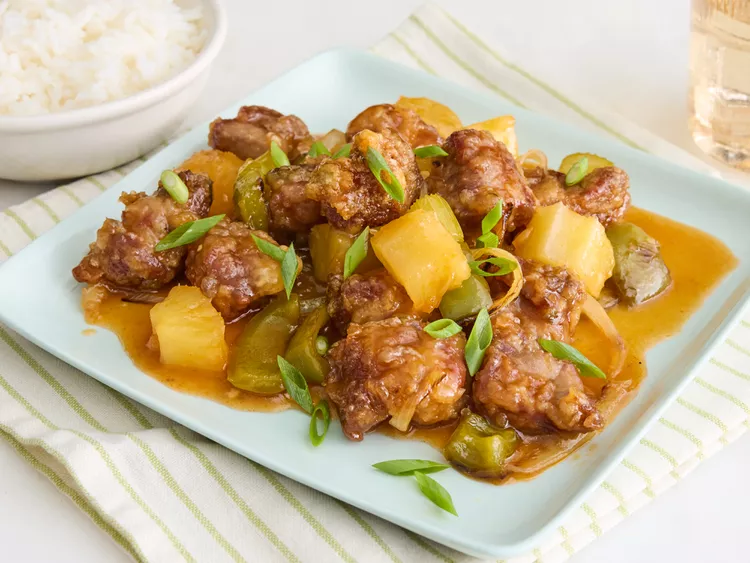
Sweet and Sour Pork III represents a polished and dependable version of a globally recognized Chinese-American classic. Known for its bright balance of sweetness, acidity, and savory depth, this dish combines crisp fried pork with a glossy sauce enriched by pineapple, vinegar, and tomato-based sweetness. The result is a carefully structured composition that delivers both visual appeal and layered flavor.
This formal recipe presentation focuses on technical accuracy, consistency, and clarity. Each step is designed to ensure optimal texture—crunchy pork that remains tender inside, vegetables that retain freshness, and a sauce that is thick, smooth, and well-balanced. Sweet and Sour Pork III is particularly valued for its familiarity, making it suitable for both everyday dining and more formal meal settings.
Prepared correctly, this dish exemplifies how simple ingredients, when handled with precision, can produce a refined and satisfying result that rivals professional restaurant standards.
Ingredients
Pork and Batter
-
1 pound boneless pork shoulder or pork loin, cut into 1-inch cubes
-
1 teaspoon kosher salt
-
½ teaspoon black pepper
-
1 large egg
-
½ cup cornstarch
-
¼ cup all-purpose flour
-
Vegetable oil, for frying (approximately 3 cups)
Sweet and Sour Sauce
-
¾ cup pineapple juice
-
⅓ cup granulated sugar
-
⅓ cup ketchup
-
¼ cup rice vinegar
-
1 tablespoon soy sauce
-
1 tablespoon cornstarch
Vegetables and Fruit
-
1 cup pineapple chunks
-
1 medium green bell pepper, cut into 1-inch pieces
-
1 medium red bell pepper, cut into 1-inch pieces
-
1 medium yellow onion, cut into wedges
-
1 tablespoon vegetable oil
Optional Garnish
-
Sliced green onions
-
Toasted sesame seeds
Step-by-Step Instructions
-
Season the Pork
Pat the pork cubes dry with paper towels. Season evenly with kosher salt and black pepper. Set aside at room temperature for 10 minutes to ensure even seasoning. -
Prepare the Batter
In a mixing bowl, whisk the egg until smooth. Add the cornstarch and all-purpose flour, stirring until a thick batter forms. Add the pork cubes and mix until each piece is fully coated. -
Heat the Oil
Heat vegetable oil in a deep skillet or Dutch oven to 350°F over medium-high heat. Use a thermometer to maintain consistent temperature. -
Fry the Pork
Fry the pork in batches, cooking for 4–5 minutes per batch, turning occasionally, until golden brown and crisp. Transfer to a wire rack or paper towel-lined plate to drain. -
Prepare the Sauce
In a separate bowl, whisk together pineapple juice, sugar, ketchup, rice vinegar, soy sauce, and cornstarch until smooth and well combined. -
Cook the Vegetables
Heat 1 tablespoon vegetable oil in a large skillet or wok over medium-high heat. Add the onion and bell peppers. Stir-fry for 2–3 minutes until slightly softened while maintaining crispness. -
Add Pineapple
Stir in the pineapple chunks and cook for 1 minute, allowing the fruit to warm and release its natural sweetness. -
Thicken the Sauce
Pour the prepared sauce into the skillet. Cook, stirring continuously, for 2–3 minutes until the sauce thickens and becomes glossy. -
Combine and Finish
Add the fried pork to the skillet. Gently toss to coat evenly with the sauce and cook for an additional 1–2 minutes until fully heated. -
Serve Immediately
Remove from heat, garnish if desired, and serve while hot for best texture and flavor.
Expert Tips & Variations
Professional Cooking Tips
-
Oil temperature control: Maintaining 350°F ensures crisp pork without excessive oil absorption.
-
Enhanced crispness: For added crunch, double-fry the pork—first at 325°F, then again at 375°F for 1–2 minutes.
-
Sauce consistency: If the sauce thickens too quickly, add 1–2 tablespoons of pineapple juice or water to adjust.
Ingredient Variations
-
Protein substitutions: Chicken breast or thigh meat may replace pork using the same method.
-
Vinegar alternatives: Distilled white vinegar or apple cider vinegar can be used if rice vinegar is unavailable.
-
Sweetener adjustment: Light brown sugar may be substituted for granulated sugar to add depth.
Dietary Modifications
-
Gluten-free: Use rice flour instead of all-purpose flour and gluten-free soy sauce.
-
Reduced-fat option: Pan-sear pork without batter and combine with sauce.
-
Vegetarian adaptation: Substitute battered tofu or cauliflower florets for pork.
Serving Suggestions
Sweet and Sour Pork III is best presented immediately after cooking to preserve the contrast between crisp pork and smooth sauce.
-
Rice pairing: Steamed jasmine or medium-grain white rice provides an ideal neutral base.
-
Noodle option: Serve alongside plain rice noodles or lo mein for a more substantial meal.
-
Vegetable accompaniment: Lightly steamed broccoli or bok choy complements the dish without overpowering it.
-
Presentation: Serve family-style on a large platter to highlight the vibrant colors.
The dish pairs well with simple sides that allow its sweet and tangy profile to remain the focal point.
Storage & Make-Ahead Notes
-
Refrigeration: Store leftovers in an airtight container for up to 3 days.
-
Reheating: Reheat gently in a skillet over medium heat, adding a small amount of water to loosen the sauce if needed.
-
Make-ahead preparation: The pork may be fried several hours in advance and reheated in a 375°F oven for 8–10 minutes before combining with freshly made sauce.
-
Freezing: Freezing is not recommended, as the batter will lose its crisp texture.
Nutrition Information (Per Serving)
-
Calories: 520
-
Protein: 28 g
-
Fat: 28 g
-
Saturated Fat: 6 g
-
Carbohydrates: 42 g
-
Fiber: 3 g
-
Sugar: 22 g
-
Sodium: 780 mg
Nutrition values are estimates based on standard ingredients and serving sizes.
Sweet and Sour Pork III remains a structured and reliable recipe that highlights the enduring appeal of sweet-and-sour cooking. With its precise technique, balanced sauce, and crisp texture, this dish offers a formal yet approachable interpretation suitable for both home cooks and refined dining presentations.