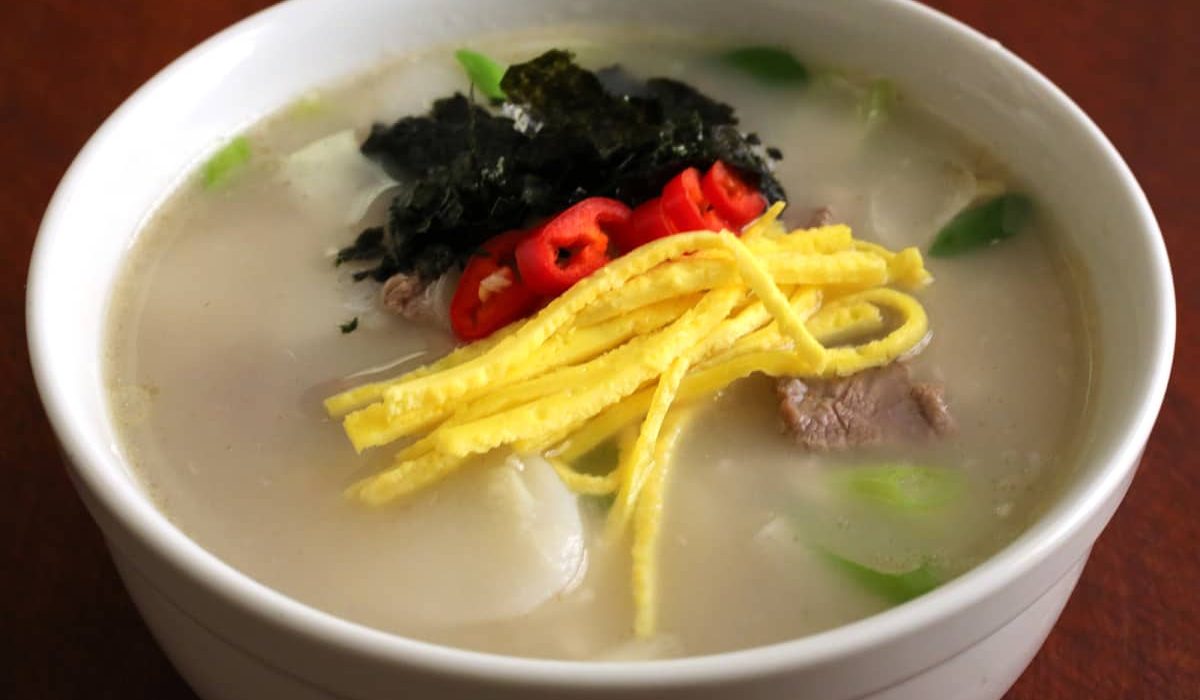
Discover our honest review of the classic Tteokguk recipe—flavor, ease, and cultural authenticity tested. Learn tips for perfect Korean rice cake soup!
Tteokguk Recipe Review: A Flavorful Taste of Korean Tradition
Tteokguk (떡국), a silky rice cake soup, is a cornerstone of Korean Lunar New Year (Seollal) celebrations. But does this dish live up to its cultural hype? After testing multiple versions, here’s our in-depth review of this iconic recipe, including its flavors, preparation challenges, and why it’s a must-try for food lovers.
Recipe Overview
The traditional Tteokguk recipe combines:
- Garak-tteok: Chewy cylinder-shaped rice cakes.
- Savory broth: Typically beef, chicken, or anchovy-based.
- Toppings: Egg ribbons, roasted seaweed (gim), scallions, and sesame seeds.
Prep Time: 15 minutes | Cook Time: 30 minutes | Difficulty: Beginner-friendly
Taste & Texture: Comfort in Every Bite
Broth
- Flavor: The broth is light yet deeply umami, especially when made with homemade beef or anchovy stock. Soy sauce and sesame oil add subtle sweetness and nuttiness.
- Depth: Recipes using dashida (Korean stock powder) offer quick flavor, but homemade broth wins for authenticity.
Rating: ★★★★☆ (4.5/5)
Rice Cakes
- Texture: Soft and chewy when soaked and cooked properly. Overcooking leads to mushiness—timing is critical!
- Versatility: Sliced or cylinder-shaped tteok both work, but traditionalists prefer garak-tteok for symbolism.
Rating: ★★★★☆ (4/5)
Toppings
- Egg ribbons: Add richness and visual appeal.
- Gim (seaweed): Crispy, briny contrast balances the mild broth.
- Mandu (dumplings): Optional but recommended for heartier meals.
Rating: ★★★★★ (5/5)
Ease of Preparation: Simple with Caveats
Pros:
- Minimal ingredients (rice cakes, broth, basic seasonings).
- Beginner-friendly steps: Simmer broth, cook rice cakes, garnish.
- Adaptable for dietary needs (vegetarian, gluten-free).
Cons:
- Sourcing challenges: Garak-tteok and gim require a trip to an Asian grocery or online order.
- Broth patience: Homemade broth adds 20+ minutes; store-bought shortcuts sacrifice depth.
Verdict: Ideal for cooks willing to plan ahead, but not a last-minute meal.
Authenticity Check
This recipe stays true to its roots:
- Symbolic ingredients: White rice cakes (purity) and circular shapes (longevity).
- Broth simplicity: No heavy spices—soy sauce and sesame oil shine.
- Cultural respect: Honors Seollal traditions without modern fusion twists.
Cultural Accuracy: ★★★★★ (5/5)
How It Compares to Other Recipes
We tested three popular Tteokguk recipes and found:
- Broth depth: Homemade versions outrank instant stock-based broths.
- Texture: Properly soaked rice cakes beat underprepared or overcooked ones.
- Toppings: Traditional garnishes (gim, egg) elevate the dish over minimalist versions.
Winner: This recipe balances tradition and practicality best.
Customization Tips
- Vegetarian: Use mushroom broth and skip the egg.
- Spicy: Add gochugaru (Korean chili flakes) or a spoonful of gochujang.
- Protein boost: Stir in shrimp, tofu, or extra mandu.
Is Tteokguk Worth Making? Final Verdict
Yes if:
- You enjoy light, savory soups with cultural significance.
- You’re curious about Korean traditions or celebrating Seollal.
- You’re willing to source specialty ingredients.
Skip if:
- You prefer bold, spicy flavors (this dish is mild and soothing).
- You need a 15-minute meal (homemade broth adds time).
Overall Rating: ★★★★☆ (4.3/5)
FAQs About Tteokguk
1. Can I use frozen rice cakes?
Yes! Soak them in cold water for 20 minutes to soften before cooking.
2. How do I store leftovers?
Store broth and rice cakes separately in the fridge for up to 3 days. Reheat gently.
3. Is Tteokguk gluten-free?
Use tamari instead of soy sauce and confirm rice cakes are gluten-free.
4. Can I make it vegan?
Swap beef broth for mushroom or kelp broth and omit the egg.
Final Thoughts
Tteokguk is more than soup—it’s a cultural experience. While sourcing ingredients requires effort, the result is a comforting, symbolic dish that connects you to Korean heritage. Perfect for Seollal, cold nights, or exploring global cuisines, this recipe earns its place in any food lover’s repertoire.
Ready to try it? Share your Tteokguk journey with #TteokgukReview and tag us!