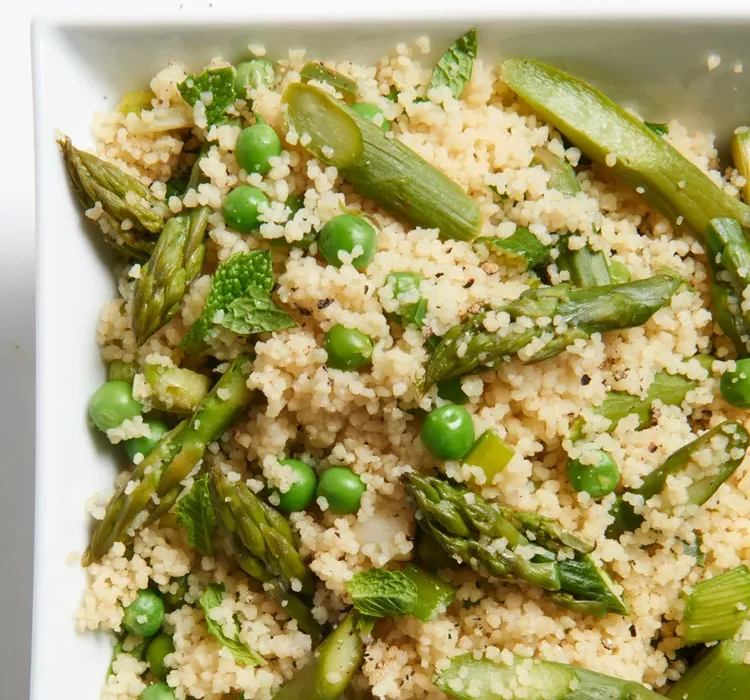
Couscous Primavera is a refined, vegetable-centric dish that highlights the natural sweetness and texture of seasonal produce combined with the delicate, airy structure of couscous. Rooted in the Italian culinary concept of “primavera,” meaning “spring,” this recipe emphasizes freshness, balance, and simplicity while delivering a sophisticated flavor profile.
This dish stands out for its efficiency and versatility. Couscous, a staple in North African cuisine, cooks quickly and absorbs flavors beautifully, making it an ideal base for vibrant sautéed vegetables and a bright, citrus-forward dressing. The result is a harmonious composition of tender grains, crisp vegetables, and aromatic herbs.
Ideal for both casual dining and elegant entertaining, Couscous Primavera offers a nutritious and visually appealing option that can be served warm or at room temperature, making it suitable for a variety of occasions.
Ingredients
For the Couscous
- 1 cup couscous (regular, fine grain)
- 1 cup low-sodium vegetable broth or water
- 1 tablespoon olive oil
- 1/2 teaspoon salt
For the Primavera Vegetables
- 1 tablespoon olive oil
- 1 cup zucchini, diced
- 1 cup yellow squash, diced
- 1/2 cup red bell pepper, diced
- 1/2 cup carrots, thinly sliced
- 1 cup asparagus, cut into 1-inch pieces
- 1 cup cherry tomatoes, halved
- 2 cloves garlic, minced
- 1/2 teaspoon salt
- 1/4 teaspoon freshly ground black pepper
For the Lemon Dressing
- 2 tablespoons extra virgin olive oil
- 1 tablespoon fresh lemon juice
- 1 teaspoon lemon zest
- 1/2 teaspoon Dijon mustard
- 1/4 teaspoon salt
- 1/4 teaspoon black pepper
Garnish
- 1/4 cup finely grated Parmesan cheese (optional)
- 2 tablespoons fresh parsley, chopped
- 1 tablespoon fresh basil, chopped
Step-by-Step Instructions
Step 1: Cook the Couscous
- In a medium saucepan, bring the vegetable broth (or water), olive oil, and salt to a gentle boil.
- Remove from heat and stir in the couscous.
- Cover immediately and allow it to steam for 5 minutes.
- Fluff gently with a fork to separate the grains and set aside.
Step 2: Sauté the Vegetables
- Heat olive oil in a large skillet over medium heat.
- Add the carrots and cook for 2–3 minutes until slightly softened.
- Incorporate zucchini, yellow squash, asparagus, and bell pepper.
- Sauté for 4–5 minutes until vegetables are tender yet retain a slight firmness.
- Add minced garlic and cook for 30 seconds until aromatic.
- Stir in cherry tomatoes, salt, and pepper; cook for an additional 1–2 minutes.
- Remove from heat.
Step 3: Prepare the Dressing
- In a small mixing bowl, whisk together olive oil, lemon juice, lemon zest, Dijon mustard, salt, and black pepper.
- Ensure the dressing is emulsified and balanced in acidity and seasoning.
Step 4: Combine Components
- Transfer the cooked couscous into the skillet with the vegetables.
- Pour the prepared dressing over the mixture.
- Gently toss until evenly combined.
- Fold in chopped parsley and basil.
- Finish with grated Parmesan cheese, if desired.
Step 5: Final Presentation
Serve immediately while warm, or allow the dish to cool slightly and serve at room temperature for enhanced flavor development.
Expert Tips & Variations
Professional Cooking Tips
- Maintain vegetable integrity: Avoid overcrowding the pan to ensure proper sautéing rather than steaming.
- Layer flavors carefully: Season vegetables incrementally to achieve depth without overpowering the dish.
- Use fresh herbs at the end: This preserves their aroma and vibrant color.
Variations
- Add chickpeas or white beans for additional protein and texture.
- Incorporate spinach or arugula for a leafy green component.
- Substitute lemon with lime for a slightly sharper citrus profile.
Ingredient Substitutions
| Ingredient | Alternative |
|---|---|
| Couscous | Quinoa, bulgur, or farro |
| Parmesan cheese | Feta, goat cheese, or nutritional yeast |
| Asparagus | Green beans or broccoli florets |
| Lemon juice | White wine vinegar or apple cider vinegar |
Dietary Adjustments
- Vegan: Omit Parmesan or replace with plant-based alternatives.
- Gluten-Free: Replace couscous with quinoa or rice.
- Low-Fat: Reduce olive oil slightly and increase lemon juice for brightness.
Serving Suggestions
Couscous Primavera can be served in multiple contexts, depending on the occasion:
- As a standalone main course: Pair with a crisp green salad and light vinaigrette.
- As a side dish: Complement grilled proteins such as chicken, fish, or shrimp.
- For gatherings: Present as part of a Mediterranean-style spread with hummus, roasted vegetables, and flatbread.
Its light, citrusy profile pairs especially well with roasted or grilled dishes, while the herbs provide a refreshing contrast to richer foods.
Storage & Make-Ahead Notes
Storage
- Store in an airtight container in the refrigerator for up to 3 days.
- Keep garnishes separate if possible for best texture and presentation.
Reheating
- Reheat gently in a skillet over low heat with a small amount of broth or water.
- Alternatively, serve chilled as a couscous salad.
Make-Ahead
- Vegetables may be chopped up to 24 hours in advance and stored refrigerated.
- Dressing can be prepared up to 3 days ahead.
- Combine components shortly before serving for optimal freshness.
Freezing
- Freezing is not recommended due to textural changes in couscous and vegetables.
Nutrition Information (Per Serving)
- Calories: 275
- Protein: 7g
- Fat: 10g
- Saturated Fat: 2g
- Carbohydrates: 39g
- Fiber: 5g
- Sugar: 6g
- Sodium: 310mg
Couscous Primavera exemplifies the elegance of simple cooking, where fresh ingredients and precise technique yield a dish that is both nourishing and visually appealing. Its adaptability, quick preparation, and balanced flavor profile make it an essential addition to any modern kitchen, suitable for both everyday meals and refined dining experiences.